
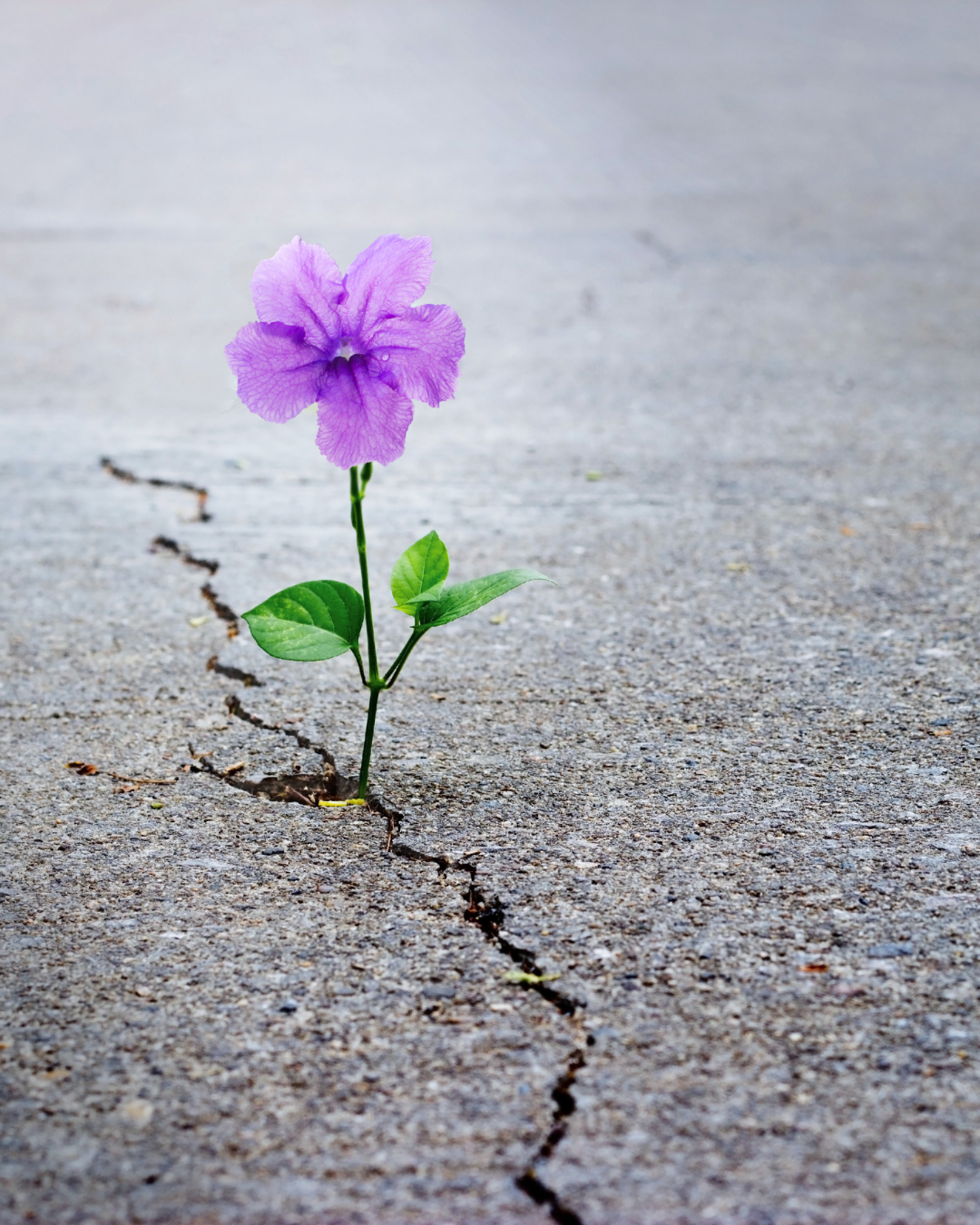
Life transitions can bring a mix of emotions. Even when a change is something you wanted like moving, starting a new job, getting married, changing careers, ending a relationship, or beginning a new chapter there can still be a sense of uncertainty, anxiety, or emotional overwhelm that follows. It is common to expect yourself to feel more settled or confident than you actually do, especially when life looks like it is moving in the right direction on the outside. In reality, most transitions are layered. You can feel grateful and excited while also feeling unsure, anxious, or even a little lost.
During times of change, it is easy for self doubt and overthinking to show up more strongly. Decisions that once felt simple can suddenly feel loaded, and it may seem like you are constantly trying to figure out if you are doing the right thing. Many people notice increased anxiety, comparison, or pressure to have everything figured out quickly. When routines shift and familiar anchors change, it can feel harder to stay grounded, and you may find yourself feeling emotionally scattered, disconnected, or just not quite like yourself.
A lot of this comes up because life transitions tend to surface deeper patterns like perfectionism, people pleasing, fear of failure, or difficulty trusting your own decisions. Career changes in particular can feel especially intense because work is often tied to identity and self worth. Relationship transitions can also bring vulnerability to the surface whether you are dating, married, navigating a breakup, or adjusting to changes in connection. Even positive relationship shifts can feel destabilizing when other parts of life are already in motion.
Therapy for life transitions offers a space to slow things down and make sense of what you are experiencing internally, not just externally. It is not about rushing to fix everything or forcing clarity, but about understanding your patterns, easing anxiety, and building more self trust as you move through change. Together, you can begin to untangle what is actually happening emotionally so decisions feel less overwhelming and more grounded.
While transitions can feel disorienting, they can also be meaningful turning points. With the right support, they become opportunities to reconnect with yourself, build resilience, and move forward in a way that feels more aligned and steady even if things are still in motion.